Comparing Traditional Squeegee and Modern Water-Fed Pole Systems
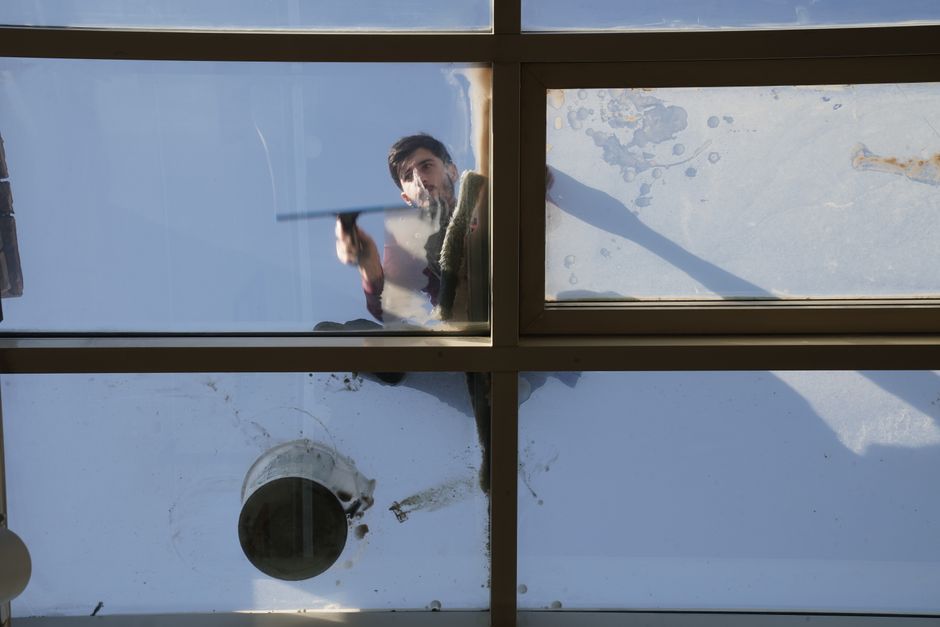
Selecting the appropriate window cleaning method for an office building involves careful evaluation of various factors, including building height, glass type, and operational constraints. Two widely used approaches are the traditional squeegee method and modern water-fed pole systems. Each technique offers distinct characteristics that influence cleaning effectiveness, safety, and efficiency. Understanding these differences allows facility managers to make informed decisions that align with their specific requirements.
Traditional squeegee cleaning has been a standard practice for decades, relying on manual application of cleaning solution and mechanical removal of water and dirt. In contrast, water-fed pole systems utilize telescopic poles that deliver purified water to the glass surface, allowing operators to clean from the ground without ladders or scaffolding. Both methods have evolved over time, and their applicability depends on the context of the cleaning task.
This article provides a structured comparison of the two systems, focusing on how they perform under varying conditions of building height and glass characteristics. The goal is to offer facility managers a neutral, informational framework for evaluating which method may be more suitable for regular maintenance of commercial office spaces.
Overview of Traditional Squeegee Cleaning
The traditional squeegee method involves a combination of a scrubbing tool, a cleaning solution, and a rubber-bladed squeegee to remove water and debris from glass surfaces. Typically, a technician applies the solution using a sponge or a cloth, agitates the surface to loosen dirt, and then uses the squeegee to strip away the liquid in a controlled motion. This process requires direct access to the window, often necessitating ladders, scaffolding, or lifts for higher elevations.
One of the primary characteristics of this method is the level of manual skill involved. The operator’s technique—such as the angle of the squeegee blade, the speed of the stroke, and the overlap pattern—directly affects the final appearance. Professionals often develop specific approaches to minimize streaks and ensure consistent coverage. Because the operator is physically close to the glass, they can apply additional pressure or localized cleaning for stubborn marks.
Traditional squeegee cleaning is generally effective for small to medium-sized buildings where access is straightforward. It also works well on glass surfaces with complex frames, mullions, or intricate profiles, as the technician can directly address corners and edges. However, the method becomes less practical when building height increases, as the setup time and safety considerations for elevated work become significant.
Overview of Water-Fed Pole Systems
Water-fed pole systems represent an advancement in window cleaning technology by allowing operators to remain on the ground while cleaning windows at significant heights. The system consists of a telescopic pole, typically made of lightweight carbon fiber or aluminum, connected to a supply of purified water. Water is delivered through the pole to a brush head, which scrubs the glass surface, and then rinsed with the purified water. Because the water is deionized and free of minerals, it dries without leaving spots or residues.
This method eliminates the need for ladders, scaffolding, or harnesses for most applications, as the pole can extend up to 70 feet or more depending on the model. The operator controls the brush head from below, using a combination of water pressure and brush movement to clean the glass. Purified water is often produced by a filtration system installed on a vehicle or carried as a portable unit.
Water-fed pole systems are particularly well-suited for high-rise buildings and large expanses of glass where traditional access would be time-consuming or dangerous. They also reduce the physical strain on workers, as there is no need to carry heavy equipment or work in precarious positions. However, the system relies on consistent water quality and adequate water pressure, and it may be less effective for heavily soiled surfaces that require mechanical abrasion or for windows with narrow openings or obstacles.
Key Considerations for Building Height
Building height is one of the most influential factors when comparing these two cleaning methods. For low-rise buildings up to two or three stories, both approaches can be viable, but the choice often depends on accessibility and speed. Traditional squeegee cleaning on low-rise buildings can be performed using a sturdy ladder or a small platform. The direct contact allows for thorough cleaning, especially around window frames and sills.
As building height increases, the logistical demands of traditional methods grow rapidly. Setting up scaffolding or using motorized lifts requires additional labor, safety equipment, and time. For buildings above five stories, water-fed pole systems often become more efficient because the operator can clean the entire exterior from the ground without repositioning heavy equipment. This reduces the risk of falls and simplifies compliance with workplace safety regulations.
When cleaning windows on a six-story office building, water-fed pole systems can potentially reduce setup time by more than half compared to traditional methods that require a lift or scaffold.
For very tall buildings, such as skyscrapers, even water-fed poles may not reach the top floors. In those cases, traditional methods using rope access or suspended cradles remain necessary. Conversely, for low structures where poles might be cumbersome due to overhangs or tight spaces, the traditional squeegee may be more practical.
Impact on Glass Types and Cleaning Quality
Different glass types respond differently to cleaning techniques. Traditional squeegee cleaning allows for customized pressure and the use of specific cleaning solutions, which can be beneficial for delicate glass surfaces such as low-emissivity (low-e) coated glass. The soft contact of a squeegee blade, combined with a non-abrasive solution, minimizes the risk of scratching or damaging coatings. Technicians can also adjust their approach for textured or frosted glass.
Water-fed pole systems typically use soft brush heads that are designed to be gentle on glass. However, the brushing action combined with water pressure may not be ideal for all glass types. For example, windows with loose or deteriorating seals might be more prone to water ingress when cleaned with a water-fed system. Additionally, if the glass has heavy organic growth or mineral deposits, the brush alone may not provide sufficient agitation, and pre-treatment might be required.
Cleaning quality is also influenced by the drying process. Traditional squeegee relies on manual removal of water, resulting in immediate drying. Water-fed poles rely on the water’s purity to dry without spots, but in environments with high humidity or low temperatures, the drying time can be longer, and wind may cause dirt to redeposit on wet surfaces. Facility managers should evaluate the typical weather conditions and glass condition of their building when considering which method can achieve the desired level of cleanliness.
Operational and Safety Considerations
Operational factors such as labor requirements, training, equipment maintenance, and safety play a crucial role in selecting a cleaning method. Traditional squeegee cleaning requires a team of trained technicians who are comfortable working at heights. An effective program includes regular safety inspections of ladders and scaffolding, fall protection gear, and adherence to OSHA guidelines in the United States. The skill level of the operator directly affects the outcome, so consistent training is important.
Water-fed pole systems reduce the number of people needed on elevated surfaces. Most operations can be performed by one or two individuals on the ground, which simplifies coordination. However, operating a water-fed pole effectively still requires training, particularly in handling the pole’s weight and controlling water flow. Maintenance of the filtration system and pole components is necessary to ensure consistent water quality and prevent mechanical failures.
- Traditional squeegee: Higher physical demand on workers, increased risk of falls, requires scaffold or ladder setup.
- Water-fed pole: Reduced fall risk, less physical strain, but reliance on water purity and pressure.
Cost considerations also differ. The initial investment for a water-fed pole system and water purification equipment can be significant, but ongoing labor costs may be lower due to faster cleaning cycles. Traditional squeegee tools have a lower upfront cost, but labor expenses can be higher for multi-story buildings. A detailed cost analysis should factor in building height, frequency of cleaning, and local wage rates.
Ultimately, the choice between traditional squeegee and water-fed pole systems depends on a combination of building characteristics, glass types, operational priorities, and safety requirements. Facility managers are encouraged to assess these factors systematically, perhaps through a pilot test on a representative section of the building. Neither method is universally superior, and the most effective cleaning program may involve using both approaches for different areas of the same property.