Annual Maintenance Plan to Extend the Life of Commercial Glass

Commercial glass installations are a significant investment in any building’s facade, storefront, or interior partitions. Over time, exposure to weather, pollution, and daily use can lead to surface wear, sealant degradation, and even structural issues if left unaddressed. For building owners and facility managers, understanding how a structured annual maintenance plan can support the longevity of these glass elements is essential. Rather than reacting to damage after it occurs, a proactive approach focuses on regular inspections and scheduled cleanings to preserve both appearance and performance.
ClearView Pro, a company specializing in commercial glass services, offers maintenance planning that aligns with these principles. However, the core concepts discussed here apply broadly: identifying potential issues early, addressing them methodically, and creating a sustainable schedule that fits the specific conditions of each building. This article explores the key components of an annual maintenance plan and how they contribute to extending the life of commercial glass, without promising specific outcomes but rather outlining the processes that can help manage risk and reduce long-term costs.
Understanding the Factors Affecting Commercial Glass Longevity
Commercial glass faces different challenges than residential windows. High-rise buildings endure stronger wind loads and temperature fluctuations, while ground-level storefronts encounter more physical contact and airborne debris. The type of glass—whether tempered, laminated, or coated—also influences how it responds to environmental stressors. Scratches, for example, can occur from improper cleaning techniques or from abrasive particles carried by wind. Sealant deterioration, on the other hand, often results from UV exposure and thermal cycling over several years.
Another factor is the building’s location. Urban environments with higher pollution levels may deposit more acidic residues on glass surfaces, accelerating etching if not cleaned regularly. Coastal areas introduce salt spray that can corrode metal frames and affect sealant adhesion. Even interior glass partitions in office settings are subject to fingerprints, cleaning chemicals, and occasional impacts from furniture or equipment. Recognizing these variables is the first step in designing a maintenance plan that addresses the specific risks for each installation.
It is also important to note that glass does not age uniformly. Some sections may show signs of wear earlier due to direct sun exposure or frequent cleaning by untrained personnel. A thorough understanding of these factors allows building owners to prioritize inspections and cleaning frequency in a way that targets the most vulnerable areas first.
The Role of Regular Inspections in Early Detection
Regular inspections form the backbone of any effective maintenance plan. The goal is not to predict failure but to identify conditions that could lead to deterioration if left unaddressed. Trained inspectors typically examine glass panels for chips, cracks, and surface abrasions. They also check sealants for gaps, hardening, or loss of adhesion around the edges of the glass. Frame conditions, drainage systems, and gaskets are evaluated as part of a comprehensive assessment.
Inspections conducted on an annual basis provide a consistent record of changes over time. By comparing findings from year to year, building managers can detect patterns—for instance, a particular facade that consistently shows more sealant wear may require more frequent maintenance or a different sealant type. This data-driven approach helps in prioritizing repairs and budgeting for future replacements without relying on guesswork. It is not about guaranteeing that no damage will occur, but about reducing the likelihood that minor issues escalate into costly problems.
During an inspection, the process may also include testing for water infiltration around windows and curtain walls. Even small leaks can lead to interior damage and mold growth if not caught early. Documentation of inspection results, including photographs and notes, supports informed decision-making and can be shared with maintenance crews or contractors to ensure consistent follow-up.
Scheduled Cleanings and Their Contribution to Surface Integrity
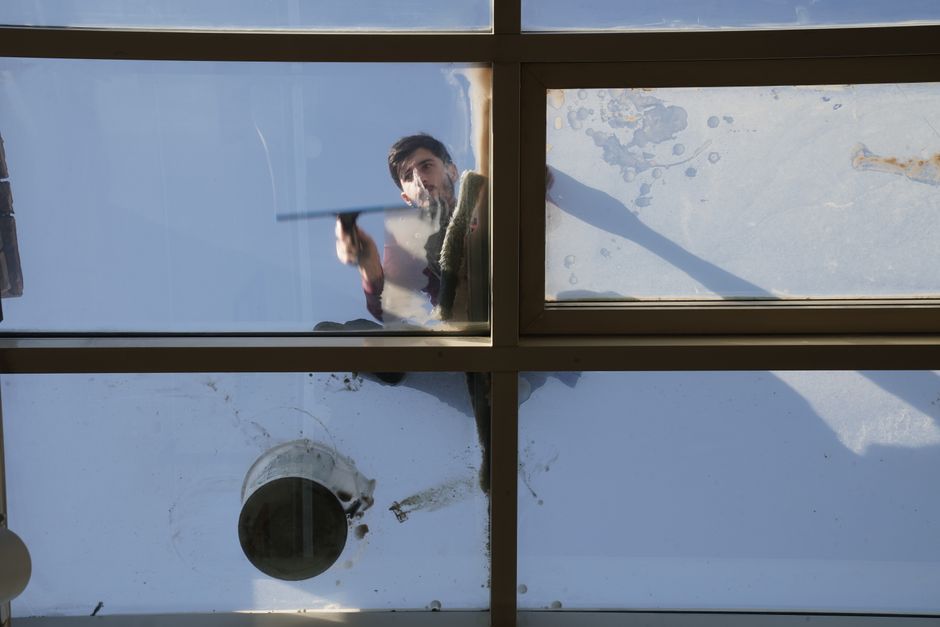
Cleaning is often viewed primarily as an aesthetic task, but it plays a critical role in preserving the integrity of commercial glass. Dirt, grime, and hard water deposits can etch the surface over time if allowed to accumulate. For coated glass, such as low-e or reflective coatings, improper cleaning methods can scratch or strip the coating, reducing energy efficiency. A scheduled cleaning plan, typically performed semi-annually or quarterly depending on exposure, ensures that contaminants are removed before they cause permanent damage.
The cleaning process itself must follow best practices. Using non-abrasive tools and pH-neutral cleaning solutions helps avoid micro-scratches. In environments with high mineral content in water, deionized water or specialized rinses may be used to prevent spotting. For high-rise buildings, professional cleaning crews with proper safety equipment are necessary to access all areas. The schedule should also account for seasonal factors—for example, cleaning after pollen season or before winter salt applications can reduce the buildup of corrosive materials.
Beyond the glass surfaces, cleaning extends to frames, weep holes, and drainage channels. Blocked weep holes can trap moisture against sealants, accelerating their breakdown. Regular cleaning of these components supports the overall performance of the glazing system. When integrated into an annual maintenance plan, scheduled cleanings become a preventive measure rather than a reactive response to visible dirt.
Sealant Maintenance and Replacement Considerations
Sealants are often the most vulnerable component in a commercial glass assembly. They provide the primary barrier against air and water infiltration, yet they degrade over time due to UV radiation, temperature extremes, and mechanical stress. An annual maintenance plan should include a detailed evaluation of all sealant joints, both at the perimeter of glass panels and at expansion joints in the curtain wall. Inspectors look for signs of cracking, peeling, or loss of elasticity.
When deterioration is detected, the appropriate response depends on its severity. Minor surface cracks may be addressed with a sealant dressing or a compatible primer, while larger areas of failure require removal and replacement. The timing of sealant replacement is important: deferring it too long can allow water to penetrate behind the glass, leading to corrosion of metal frames or damage to interior finishes. Conversely, replacing sealants prematurely wastes resources. A maintenance plan that includes periodic sealant testing, such as adhesion tests or moisture checks, helps determine the optimal replacement schedule.
It is worth noting that sealant technology has evolved, and newer products may offer longer life spans or better performance under specific conditions. When replacement is necessary, building owners can work with specialists to select sealants that match the building’s exposure and aesthetic requirements. The maintenance plan should document the type of sealant used and the date of installation, so that future inspections can track its aging accurately.
Developing a Customized Annual Maintenance Plan
No two commercial buildings have identical glass maintenance needs. A successful plan begins with an initial assessment that documents the current condition of all glass surfaces, sealants, and frames. This baseline allows the creation of a customized schedule that specifies inspection frequency, cleaning intervals, and triggers for deeper evaluations. For instance, a building with extensive south-facing glass may require more frequent inspections for UV-related sealant degradation, while a facility near a construction site might need additional cleanings to remove dust and debris.
The plan should also outline responsibilities—whether maintenance is handled by in-house staff, contracted to a service provider like ClearView Pro, or a combination. Clear communication channels for reporting issues between inspections are essential. In addition, the plan may include a log for tracking completed tasks, costs, and observations, which serves as a reference for future planning and budgeting. Over time, this log reveals trends that can inform adjustments to the plan.
Budgeting for annual maintenance is a realistic consideration. While the immediate cost of inspections and cleanings is predictable, the long-term savings from avoiding premature glass replacement or extensive sealant repairs can be substantial. The plan does not promise absolute prevention of damage, but it provides a structured approach to managing risk. By investing in regular care, building owners can maintain the functional and visual quality of their glass installations while deferring major capital expenditures to later cycles.